
How FinTechs from Oman to Canada are riding Visa's FIFA rights
Visa's playing landlord with its FIFA rights, renting them out to fintechs from Oman to Ontario so they can run their own World Cup hustle. Wallets, remittance apps, even merchant terminals are all riding Visa's rails straight into 2026.
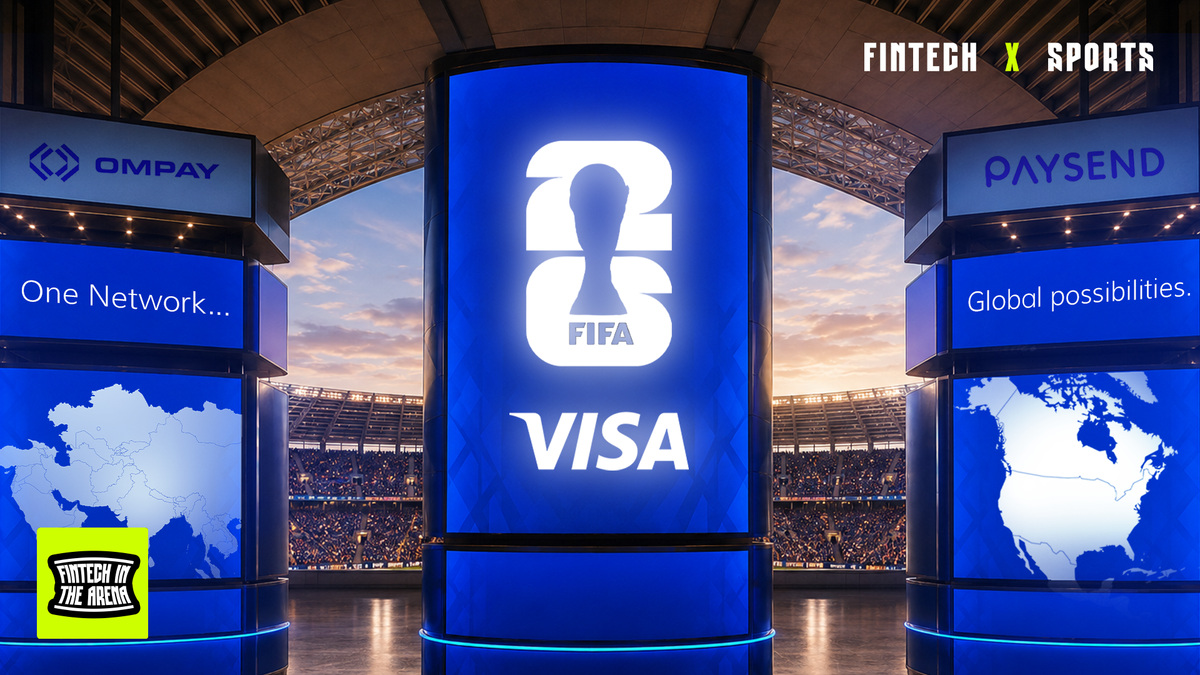
Visa's playing landlord with its FIFA rights, renting them out to fintechs from Oman to Ontario so they can run their own World Cup hustle. Wallets, remittance apps, even merchant terminals are all riding Visa's rails straight into 2026.
It's worth breaking down deal by deal >>>
Visa's FIFA World Cup 2026 sponsorship gets talked about like a branding story, and on the surface that reading holds up. The Visa logo will sit on ticketing pages, fan zones, and stadium signage across the tournament.
But look at how Visa is activating the partnership across the fintech world and a different picture shows up. Visa is treating its FIFA rights as inventory it can hand down to other players, letting neobanks, remittance apps, spend-management platforms, and payment processors build their own World Cup campaigns on top of Visa's exclusivity.
If you missed it, we previously broke down the bigger strategy behind Visa's FIFA partnership. This piece picks up where that story left off.
 Marcel
The core strategy: B2B2C fintech enablement
As FIFA's exclusive payment technology partner, Visa holds rights that go well beyond running its own ads. It can extend "courtesy rights" to smaller financial institutions, giving them the ability to run official World Cup ticket sweepstakes and co-branded experiences under the tournament's halo. For a scaled-up neobank or wallet provider, that's a shortcut to a marketing campaign they'd never be able to license or afford on their own (fintech.global). Visa is selling access to the World Cup to fintechs, and letting them do the consumer-facing work.
Remittance gets a World Cup hook: Paysend
Paysend, the card-to-card cross-border remittance platform, teamed up with Visa on a dedicated FIFA World Cup 2026 campaign that gives international senders a shot at winning official match tickets (Paysend). Remittance is a volume business built on trust and frequency, and tying a transfer to a ticket draw gives migrant workers and cross-border senders a reason to route more of that volume through Paysend specifically. Visa supplies the prize pool credibility, Paysend supplies the customer base, and both sides walk away with more transactions running through the rails.
Middle East wallet growth: OMPAY
Omani fintech OMPAY used its Visa partnership to launch what it's calling the region's first fintech-led FIFA World Cup campaign, wrapping Visa's official rights into its own digital wallet product (IssueWire). For a market with a sizable unbanked and underbanked youth population across Oman and the wider GCC, a World Cup tie-in is a genuine growth lever rather than a nice-to-have brand moment. This is Visa's playbook working exactly as designed: license the rights once, let dozens of fintechs run their own localized version of the same campaign.
Corporate spend management gets hospitality: Qashio
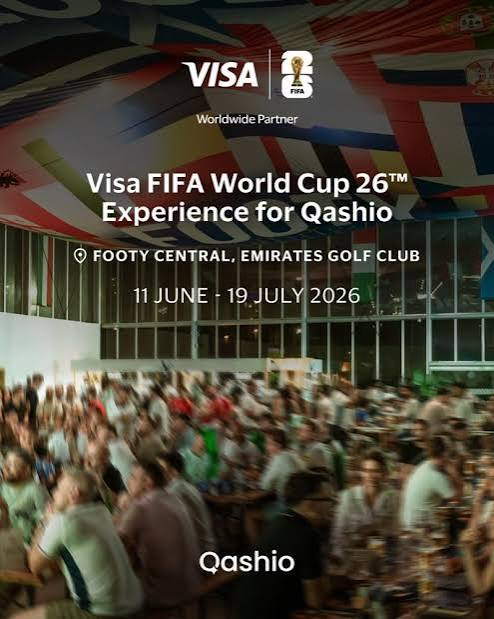
Not every activation targets individual consumers. Qashio, MENA's leading spend-management platform, used its Visa partnership to bring corporate clients into fan zones and VIP viewings at venues like Dubai's Footy Central (ZAWYA). Spend-management is a B2B category where retention often comes down to relationship perks rather than product features, and a World Cup hospitality package is the kind of perk that keeps a corporate card program sticky. Qashio converts football access directly into client retention, which is a distribution outcome even if the surface looks like sponsorship marketing.
The merchant side: Moneris in Canada
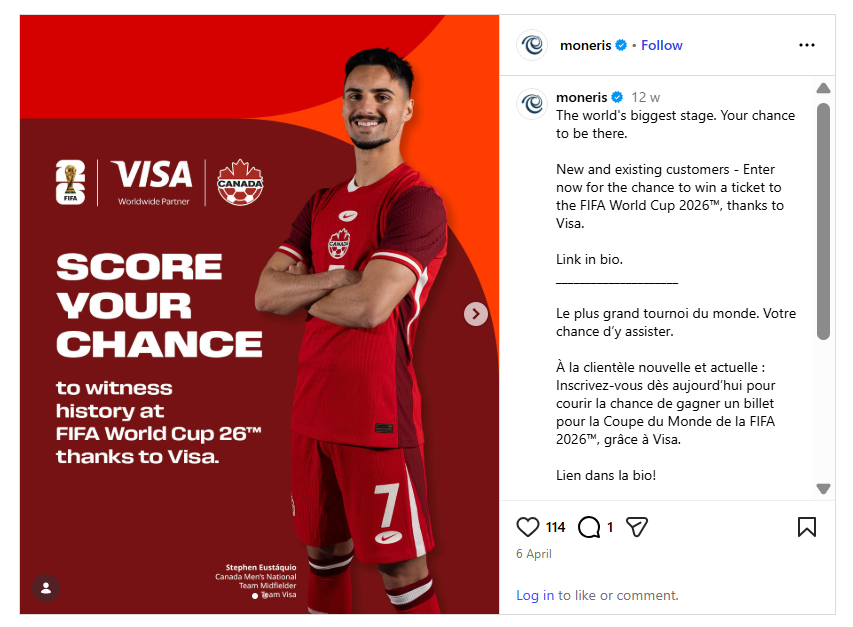
Visa's distribution strategy doesn't stop at consumer wallets. In Canada, payment processor Moneris partnered with Visa on a B2B merchant sweepstakes, where business owners who upgraded their terminals to handle contactless Visa volume were entered into draws for match tickets (Moneris). This is Visa building loyalty on both sides of the counter, the consumer swiping the card and the merchant accepting it, using the same tournament rights to drive adoption on each end of the transaction.
Reading it through the branding vs distribution lens
Stack these six deals together and the pattern is unmistakable.
None of them is about putting a logo on a shirt. Every one of them uses Visa's FIFA rights to move transaction volume through Visa's own payment infrastructure, whether that's a remittance transfer, a wallet top-up, a corporate card swipe, or a merchant terminal upgrade.
Visa gets to look like a single-brand World Cup sponsor while functionally running a global distribution network for dozens of fintechs, each one borrowing Visa's exclusivity to fund their own growth story. That's the value of a FIFA-level sponsorship for a payments company. The airtime matters less than the ability to license trust at scale.
If you want the same analytical lens applied to the full Fintech x Sport deal landscape - beyond the World Cup and across the year - Marcel van Oost's newsletter Connecting the Dots in FinTech has tracked this intersection for eight years.


Comments ()