
FinTech in Women's Sports: Part 1
Financial brands are showing up across women’s sports, from the WNBA and women’s football to golf, tennis and badminton. We map the emerging fintech playbooks, the early-mover opportunity and what the growing investment means for the sports themselves.

From the WNBA and women’s football to golf, tennis, badminton and esports, financial brands are putting serious money behind women’s sports. Across those deals, a few patterns are beginning to emerge around when brands enter, what they choose to sponsor and how deeply they get involved.
For years, the commercial conversation around women’s sports came with a frustrating prerequisite: prove the audience first. More viewers, fuller stadiums, stronger broadcast numbers and enough evidence that fans would show up before brands, broadcasters and investors committed larger budgets. That argument is becoming harder to sustain as the market grows.
The numbers have moved quickly.
Global revenues in women’s elite sports reached US$2.4 billion in 2025 and are expected to cross US$3 billion in 2026, according to Deloitte. Commercial revenue, including sponsorships, partnerships and merchandising, remains the largest contributor. Audience growth is moving in the same direction, with Nielsen measuring 46 billion minutes of women’s sports consumption in the US in 2025, up 71% from 2022.
Financial brands are turning up across that growth curve. Ally has built a portfolio spanning the WNBA, golf and esports. Revolut entered women’s football through Manchester City Women. Starling Bank went from the Women’s EURO to Southampton FC Women, Morgan Stanley became a global WTA partner, Amundi put its name on a women’s golf major, while M-PESA, Fawry and DBS have backed events and athletes in Kenya, Egypt and India.
Seen together, the deals tell a much richer story than the sponsor board.
Some brands are spreading their investment across several properties. Others are entering while teams and athletes are still climbing their commercial value curve. Several are pairing sponsorship with grassroots funding, talent development or new competitions. There is already enough activity to start identifying distinct fintech playbooks within women’s sports.
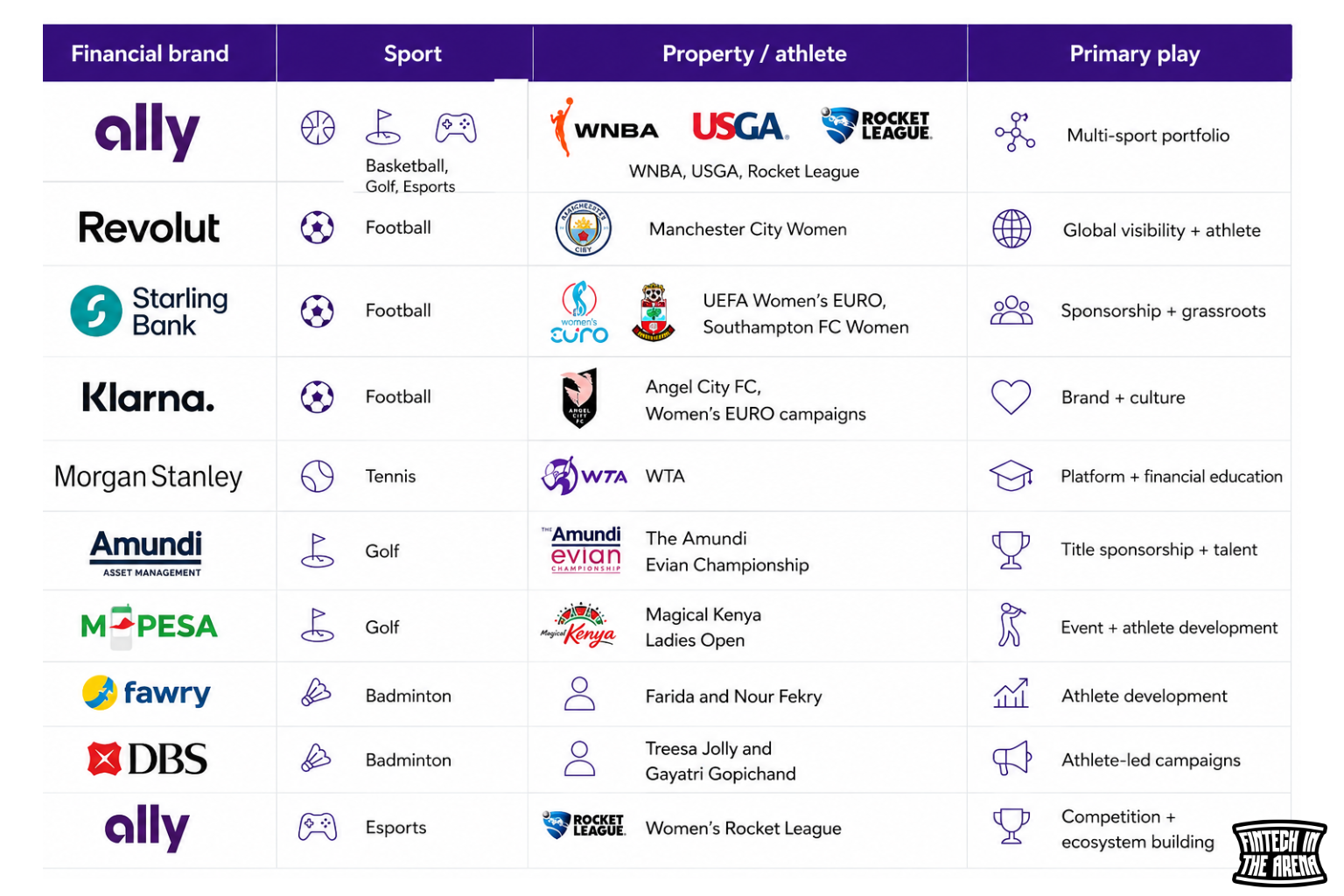
Trend 1: From one sponsorship to a portfolio
Ally gives us the clearest version of the portfolio approach.
In 2022, Ally Financial announced its 50/50 Pledge, committing to split its paid sports media investment equally between men’s and women’s sports within five years. At the time, around 10% of its sports media investment went towards women’s sports. By April 2026, Ally had reached the 50/50 target a year early, having increased its investment in women’s sports media more than 4.6x along the way.
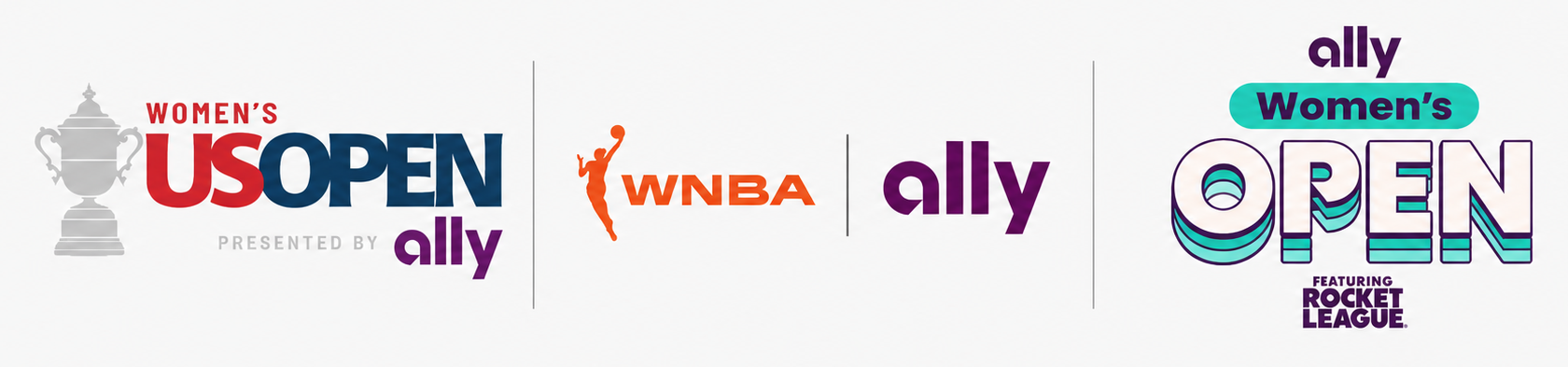
The breadth of that investment is worth looking at. Ally became the WNBA’s official banking partner and a WNBA Changemaker, backed the Las Vegas Aces and expanded into golf as the USGA’s official retail banking partner and presenting partner of the U.S. Women’s Open. In esports, it has funded women-focused Rocket League competitions with dedicated prize pools. The result is a presence across leagues, teams, events, media and emerging competitions rather than dependence on one flagship property.
There are signs of the same thinking elsewhere.
Starling Bank entered women’s football through UEFA Women’s EURO 2022, launched a fantasy football game around the tournament, funded grassroots teams and later became principal partner of Southampton FC Women. Klarna has appeared across Angel City FC, Women’s EURO marketing and the Women’s Football Awards. Amundi combines title sponsorship of The Amundi Evian Championship with a programme supporting European women golfers.
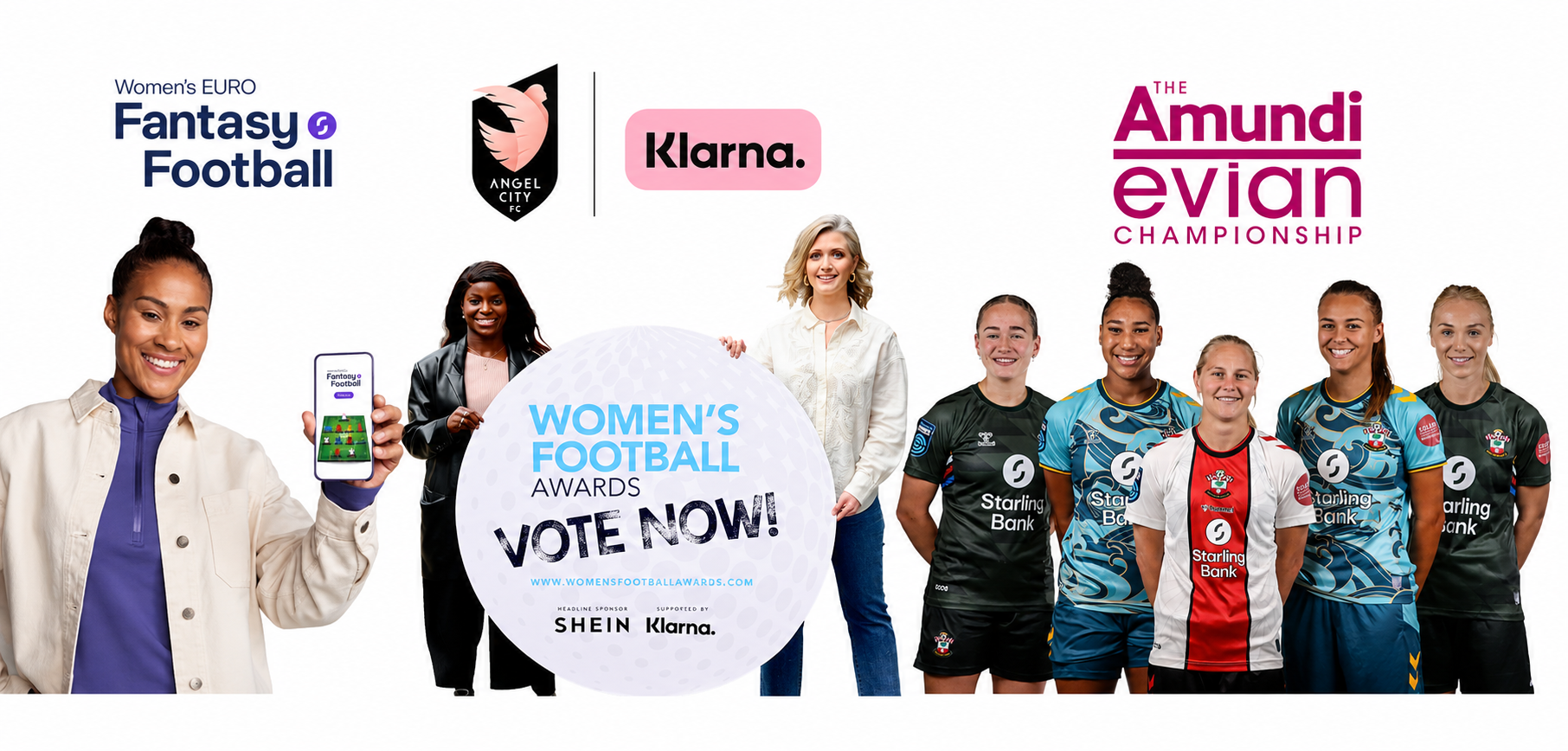
These portfolios can be built in several ways: through media spending, major events, club partnerships, athlete ambassadors or development programmes. What connects them is continuity. Women’s sports are starting to receive sustained allocations within financial brands’ sports-marketing plans, giving companies the opportunity to build an association across several seasons and several parts of the sporting ecosystem.
That matters when the value of the underlying properties is rising too.
Trend 2: Fintech is getting in earlier in the value curve
Women’s sports are often described as relatively inexpensive sponsorship inventory compared with established men’s properties. Price is part of the equation, although timing may be more useful for understanding the current fintech interest.
Many women’s sports properties are growing audiences, improving broadcast distribution, attracting new partners and developing their commercial identities at the same time. A company entering during that period gets access to the audience available today while building its position as the property itself becomes more valuable.
Women’s football makes that particularly visible.
Revolut made its first investment in the women’s game through Manchester City Women, becoming an Official Global Partner and bringing captain Alex Greenwood on as a brand ambassador. The partnership included training-kit visibility, digital and physical branding assets and dedicated activations. Revolut has since expanded its Manchester City relationship, including back-of-shirt branding across the men’s and women’s first teams.
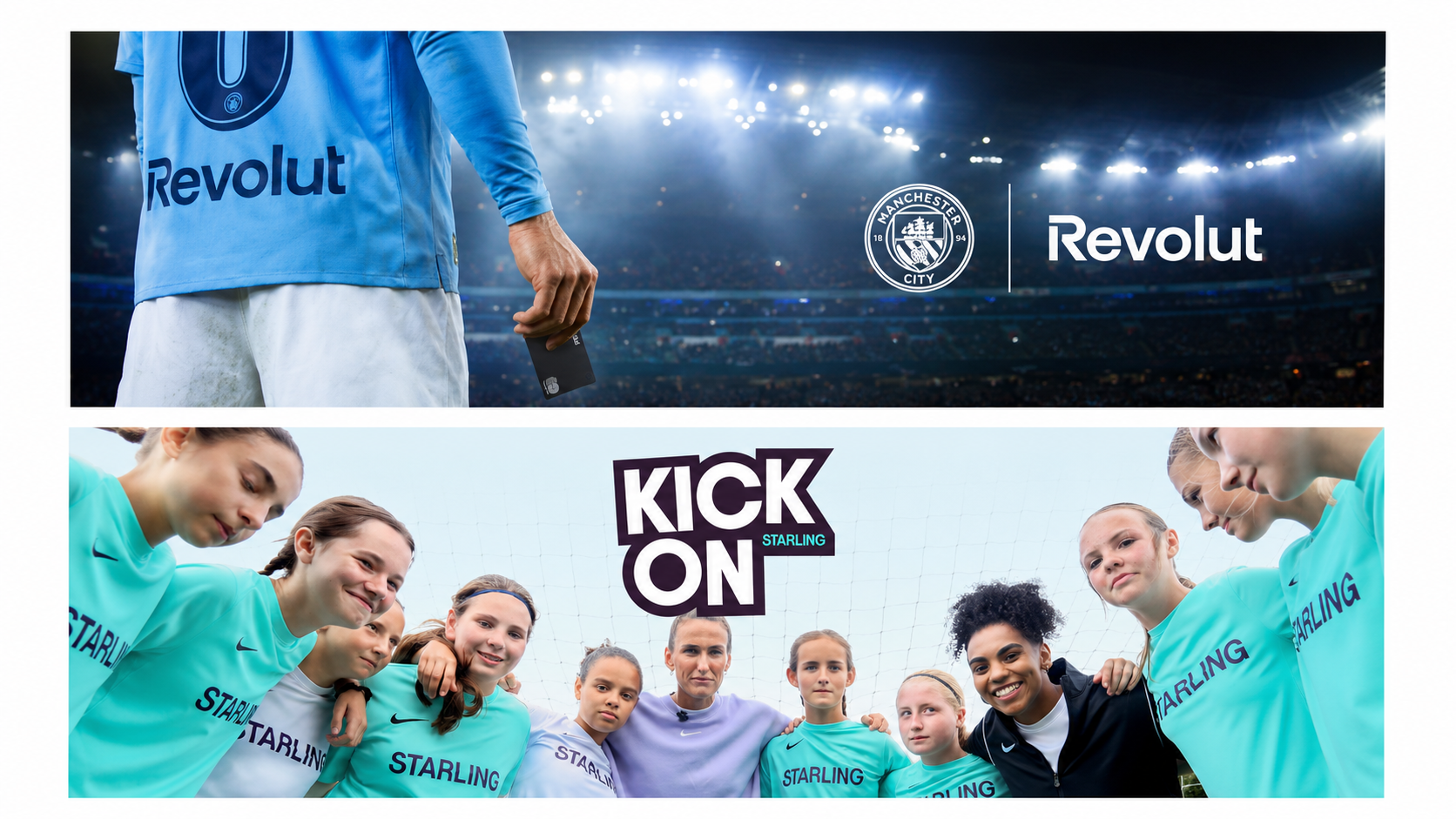
Starling took another route through the same market. UEFA Women’s EURO provided exposure around a major international tournament, its grassroots grants extended the relationship into community football, and Southampton FC Women provided a persistent club presence. Both companies entered a women’s football market whose commercial footprint continues to expand.
Women’s sports have spent years being asked for more evidence before receiving larger commercial commitments. The evidence is accumulating quickly, and brands entering later may face higher rights values and more competition for the same properties.
Trend 3: The biggest property is not always the best property
The WNBA, WTA and major football clubs naturally attract attention, but several smaller deals show how fintechs can approach women’s sports at a local level.
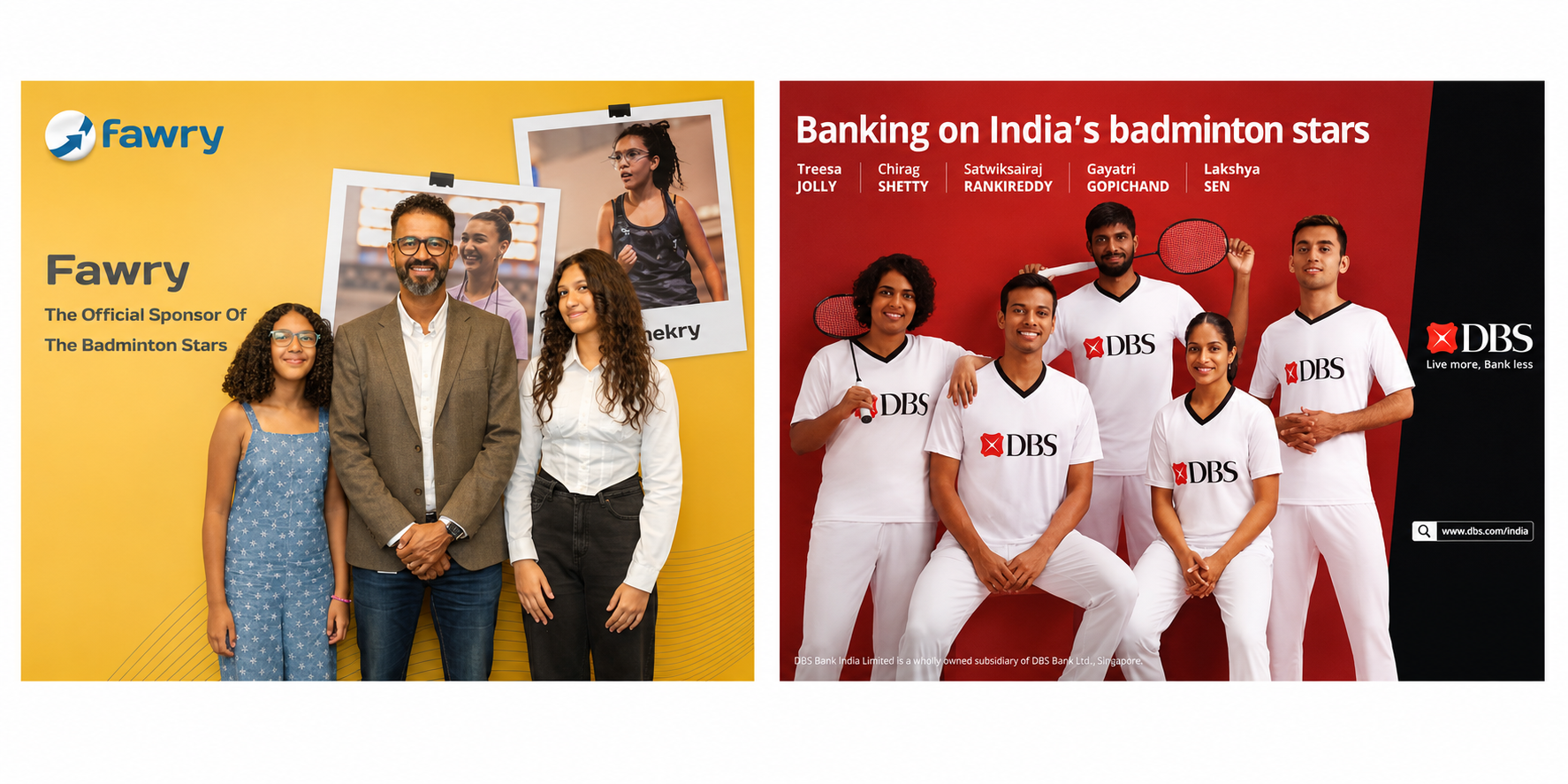
Fawry signed sponsorship agreements with Egyptian badminton players Farida and Nour Fekry, supporting training and participation in regional and international competitions as they work towards longer-term Olympic ambitions. In India, back in 2023, DBS Bank brought doubles players Treesa Jolly and Gayatri Gopichand into its athlete roster and brand campaigns. In Kenya, M-PESA committed KES 34.8 million to the Magical Kenya Ladies Open alongside its broader support for professional and junior golfers.
Here, relevance can matter more than sheer reach.
A regional financial brand may get more value from an athlete with strong recognition in its home market than from a large international property with a broad but less concentrated audience. Athlete partnerships can also create a closer association with progression, personality and sporting achievement, particularly when brands enter before the athlete reaches peak international visibility.
Fawry’s badminton partnership captures that dynamic well. Farida and Nour are developing athletes with Olympic ambitions, which means Fawry is taking some of the uncertainty that comes with entering early. If their careers grow, however, the brand has a history with them that begins before the biggest results and attention arrive.
There is a geographic pattern here as well. Fawry in Egypt, DBS in India and M-PESA in Kenya are building sports strategies around athletes and properties that make sense within their own markets. As more regional fintechs participate, women’s sports could develop a much broader financial-services sponsor base than one dominated by a handful of global companies.
And some brands are putting money even further down the sporting pyramid.
Trend 4: Sponsoring the ecosystem
Starling’s Women’s EURO activity included grants for grassroots women’s football teams. Morgan Stanley’s WTA partnership supports Come Play, which uses tennis clinics and programming to expand access to the sport, alongside financial education resources for WTA athletes. Amundi pairs its Evian Championship sponsorship with its Women Talent Programme, while Ally has helped fund dedicated women’s esports competitions and prize pools.
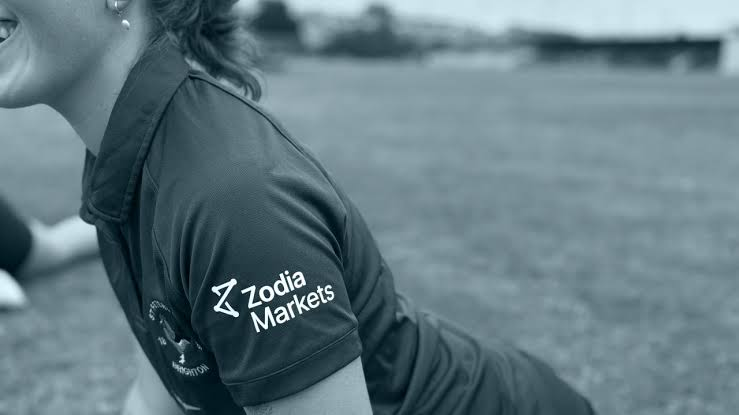
Digital-assets company Zodia Markets has taken the approach into grassroots cricket through Cricket for Her, including multi-year support for women’s and girls’ teams and funding for coaching, equipment and playing opportunities.
These programmes still have commercial value for the companies behind them.
Grassroots programmes can build affinity, athlete initiatives create content and long-term relationships, and development funding can connect a sponsor with the growth of a sport. At the same time, that capital reaches areas where additional resources can create more opportunities for athletes and participants.
That relationship is particularly important in women’s sports because investment influences what eventually becomes commercially available. Better development pathways can produce stronger competition and more athletes; stronger competitions create more media inventory; growing visibility brings audiences and sponsors. Investment at an earlier stage can therefore contribute to the same ecosystem from which brands eventually receive commercial value.
The cycle looks something like this:
Investment → participation and development → stronger competition → greater visibility → larger audiences → higher commercial value
There is plenty here to be excited about. Women’s sports deserve far more attention than they have historically received, while the business case for giving them that attention continues to strengthen. The most interesting partnerships allow those two ideas to sit comfortably together: more capital enters the sport, and brands participate in the value created as the market grows.
Up next: when fintech moves behind the sponsor board
This first part has focused on the visible layer: sponsorships, athletes, media, tournaments and the investments financial brands are making around them. There is another group of deals sitting deeper inside the sports economy. Many financial companies give us a different way to examine fintech’s relationship with women’s sports, particularly as financial products become more closely connected to how fans transact and how sporting properties operate.
We have seen that progression elsewhere at FinTech in the Arena. Our two-part Audi Revolut deep dive followed the partnership from its visible Formula One sponsorship into the products, payments and commercial mechanics sitting underneath it.
 Marcel
Part 2 will take the same lens to women’s sports, mapping the fintech infrastructure developing behind the game and where those deals could go next >>


Comments ()